Our top tips for keeping your dog happy and healthy!
A balanced and nutritious diet will help to keep your dog happy, healthy and enjoying life to the full. Dogs need the right combination of protein, fats, carbohydrates, fibre, vitamins and minerals, and continuous access to fresh clean water. Our superfood recipes deliver a complete and balanced diet for your dog, and our feeding guide to the right shows our suggested daily feeding volumes based on your dog's ideal weight. You should adapt these guidelines to account for your dog's activity level, physical condition and individual needs. We recommend consulting your vet if you are concerned about your dog's weight.
Feeding your dog at regular times every day, in a calm and low-stress environment, promotes healthy digestion. We recommend feeding adult dogs twice per day as their bodies find it easier to digest two smaller meals than one larger meal.
Avoid feeding before or after exercise. Dogs digest their food better when they are relaxed and have time to rest for at least an hour after their meal. If you have multiple dogs, it is important that each is allowed to eat at their own pace without rushing to try and get their fair share; sometimes, this means separating dogs for mealtimes.
If you are switching brands or recipes, transition gradually over a period of 7 days or more. Start with 75% old food and 25% new food, gradually increasing the proportion of new food. This will help to avoid a tummy upset.
A complete, balanced, grain-free diet with a high meat and vegetable content such as Paw, delivers complete nutrition for your dog.
Puppies grow quickly and growth is nutritionally demanding! They need more protein, energy and calcium than adult dogs do, so it is important that they eat a specially formulated puppy recipe to support their additional needs. Our puppy food recipe and a continuous supply of fresh water will deliver a complete and balanced diet for your puppy, and our feeding guide to the right shows our suggested daily feeding volumes based on your puppy's target adult weight. You should adapt these guidelines to account for your puppy's activity level, physical condition and individual needs. We recommend consulting your vet if you are concerned about your puppy's weight.
Your puppy should eat little and often because puppies have smaller stomachs and a faster metabolism than adult dogs. We recommend puppies eat four small meals daily from 8 – 12 weeks old, then three meals daily from 3 – 6 months, and two meals daily beyond that. Remember that whilst the number of daily meals is decreasing, the total daily volume of food should not be!
Regular mealtimes and exercise, will help your puppy establish a routine, promote healthy digestion and minimise the chance of toilet accidents in the house.
If you are switching brands or recipes, transition gradually over a period of 7 days or more. Start with 75% old food and 25% new food, gradually increasing the proportion of new food. This will help to avoid a tummy upset.
A complete, balanced, grain-free diet with a high meat and vegetable content such as Paw’s puppy food recipe, delivers complete nutrition for your puppy and will support their growth into a strong and healthy adult.
Fussy eaters are man-made!
Dogs are not born picky eaters; they descend from opportunistic hunters who ate whatever they could. Dogs do not need or want variety in their diet the way that humans do, they will happily eat the same food at the same times every day, and so it is down to dog owners to select a healthy, nutritious and tasty food for their beloved companion.
The cause of a fussy or picky dog is usually humans offering table scraps, too many treats or switching between food brands, recipes or types frequently. This teaches your dog to hold out for something better; they learn that if they do not eat what is in their bowl, you will provide a tastier alternative. If you find yourself working hard coaxing your dog to eat, he has you well-trained! Switching foods frequently is hard work, costly and can result in a range of digestive issues and tummy upsets.
To correct fussy or picky behaviour, or prevent it in the first place, our top tips are:
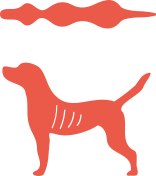
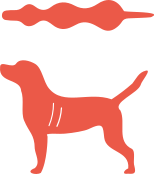
Try to locate your dogs ribs. You should be able to run your hands down his sides, counting the ribs, with just a thin layer of fat between his skin and bones. If you cannot feel his ribs, he is overweight. Check out our handy body condition score chart below to help determine if your dog is a healthy weight.
If your dog is overweight, you will want to reduce his food intake and increase his exercise for him to lose weight and avoid the potentially significant health issues linked to obesity. It is essential that he burns more calories than he eats every day for him to lose weight, so pay close attention to the volume of food you are offering him.
You should monitor his weight with a weekly weight check. Most vets will allow you to use the scales in their surgery as often as you wish, but if you have a dog that you can easily pick up, you can scoop him up, step onto the bathroom scales and do the subtraction. If you find your dog is not losing weight as expected, reduce the food further and increase the exercise too.
Other tips for weight management:



When feeding an older dog, it is important that there is minimal strain on their liver and kidneys, so feeding a natural diet with fresh ingredients and no toxins is very beneficial. Vitamins and antioxidants also play an important role in a senior dog’s diet, helping to combat the damage of free radicals and the everyday signs of ageing. Our Paw recipes are all natural with fresh meat, nutritious vegetables and functional supplements like linseed and Omega-3, which makes them ideal for senior dogs. Older dogs are more prone to obesity and joint stiffness. Feeding smaller meals more regularly can help to increase their metabolism and help them to burn calories, a diet rich in linseed and Omega-3 supports good joint health and regular walking and swimming are beneficial for a senior dog’s joints and weight management.


Sign up to our newsletter & be the first to know about our exclusive offers & news.